

At the beginning of 2025, Retevis reached out to me with a head's up about a new VHF/UHF mobile with wideband receive, crossband repeat, and full duplex capabilities. When I saw the early graphics mock-ups and specs, it looked and read a lot like the Kenwood TM-V71A. The Kenwood TM-V71A was one of the most popular VHF/UHF mobile radios ever due to its versatility, well though-out crossband repeat feature, and even air band reception. But that radio has been retired for years and while there are several other offerings from manufacturers that provide many similar features, none really have come close in a few key areas. Now, Retevis has introduced the MA1, which is a virtual rebirth of the TM-V71A in both looks, operation, and features.
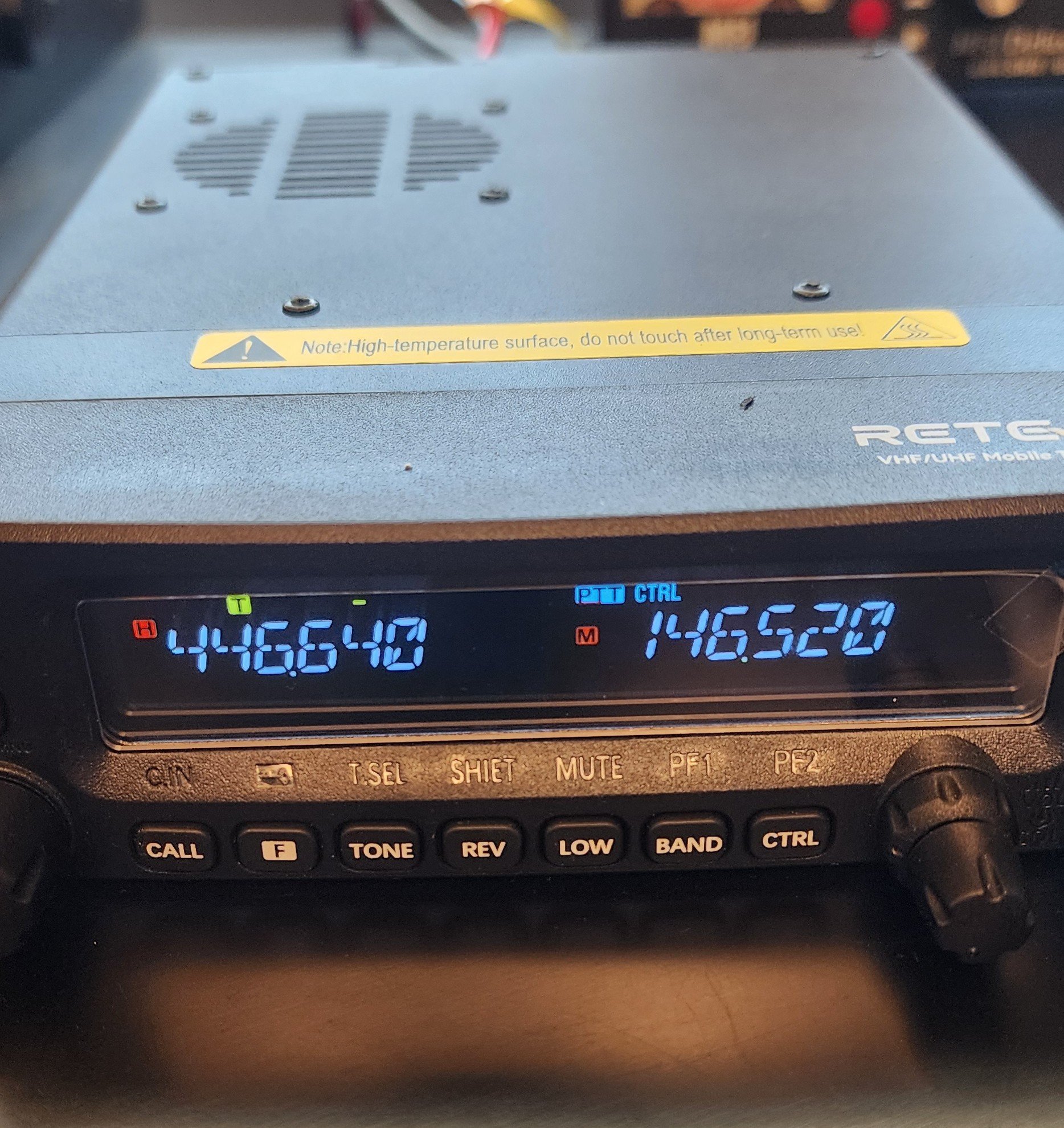

Mic attachment for radio head:

To reemphasize, all of these issues have been solved with firmware updates. In addition to the real problems, I noticed a few missing features such as Mic Gain and Automatic Repeater Offset. I sent that feedback and the new features were quickly added! This attention to post-sale support is very rare.


The radio is available directly from Retevis here:
https://www.retevis.com/products/re...teur-ham-radio-with-detachable-front-panel-us
If you prefer to shop on Amazon and help keep worldwidedx.com going, you can buy it here:
Features & First Impressions
Nearly all the hallmark features of the legendary Kenwood TM-V71a are present here, from crossband repeat and dual receive, to a detachable faceplate with flexible mounting options. The Retevis MA1 even ups the ante with a handful of modern touches, but the similarities are unmistakable. For those transitioning from a TM-V71a, the learning curve is minimal, and the radio can easily slot into existing mobile or base station set-ups. Here are some of the major features.
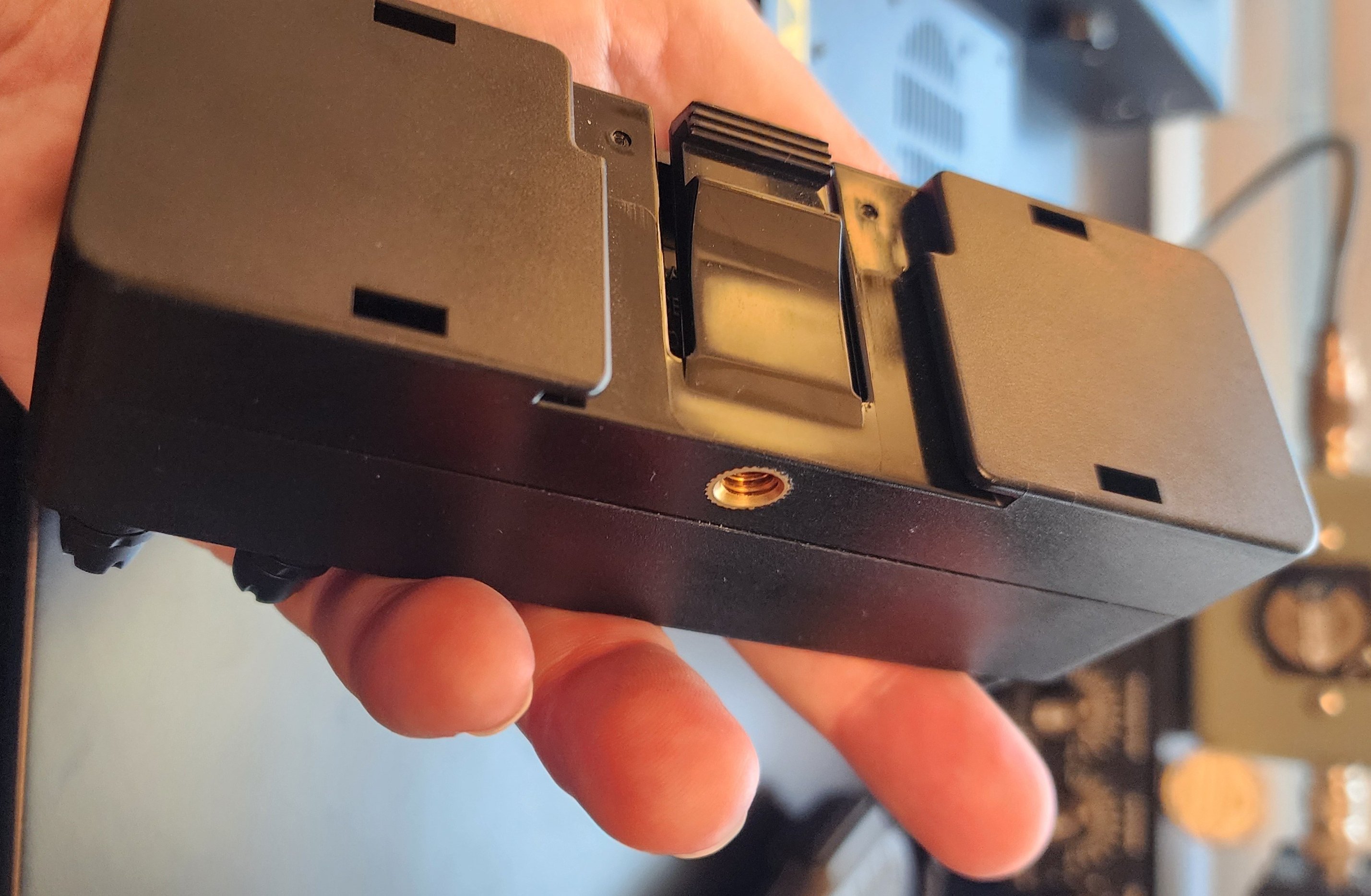
- Detachable faceplate with multiple mic jack locations (front panel and body), allowing flexible installation in vehicles of all sizes and layouts. This is ideal for those who want a clean dash appearance or need to fit the radio in tight spaces, with the added bonus of being able to route the microphone for optimal ergonomics.
Mic attachment for radio head:
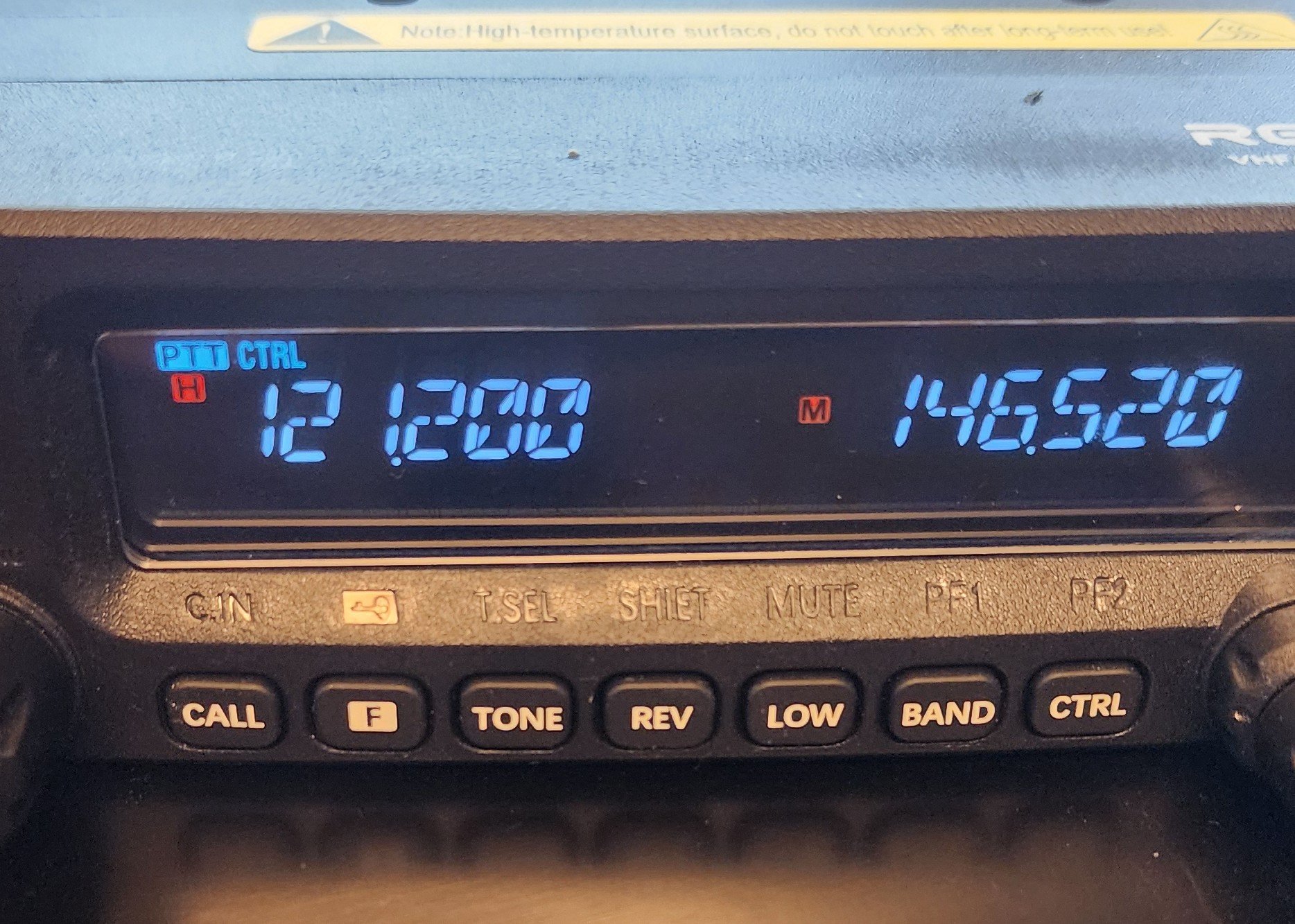
- Full dual receive on both VHF and UHF, which lets you monitor two frequencies simultaneously—perfect for emergency communications, club repeaters, or keeping tabs on a local net while also scanning public safety channels.
- Crossband repeat capability with variable configuration, transforming your mobile into a portable repeater, an invaluable function for field events, search and rescue, or simply extending HT range when using it as a remote base. The best thing about the crossband repeat feature is the ability to configure it to perform full crossband repeat the way you want it to: In full crossband mode, band A and B always transmit what they hear to the other band. But more useful is the ability to only transmit the band you want and never transmit on the other. This is the desired use case for a remote base and is sorely lacking in most other radios with crossband repeat. Sure, there are ways to accomplish this using a combination of PL and DCS TX/RX schemes, but those are a hassle. The MA1 makes it super simple!
- Simple, easy-to-read display, which shines during nighttime or high-glare situations and provides ample information at a glance. However, it’s worth noting the alternate indented menu text above the buttons is less readable due to the lack of any color highlighting. This text is impossible to read in dim light and I’m very tempted to use a fine-point white or silver sharpie pen to fill in the text. I hope Retevis can make an adjustment here
- Remote head mounting kit included, making installation in unconventional vehicles or cramped operating positions a breeze—particularly valuable for RVers, truckers, or anyone needing a tidy separation of controls and main chassis.
- Memory channels and scanning options : The MA1 provides 800 programmable memory channels, supporting multiple scan types—priority, group, and all-channel scans. With the wide frequency RX range, you have plenty of memory channels for all of your ham, air band, and local emcom frequencies.
Audio Quality – “Middle of the Road”
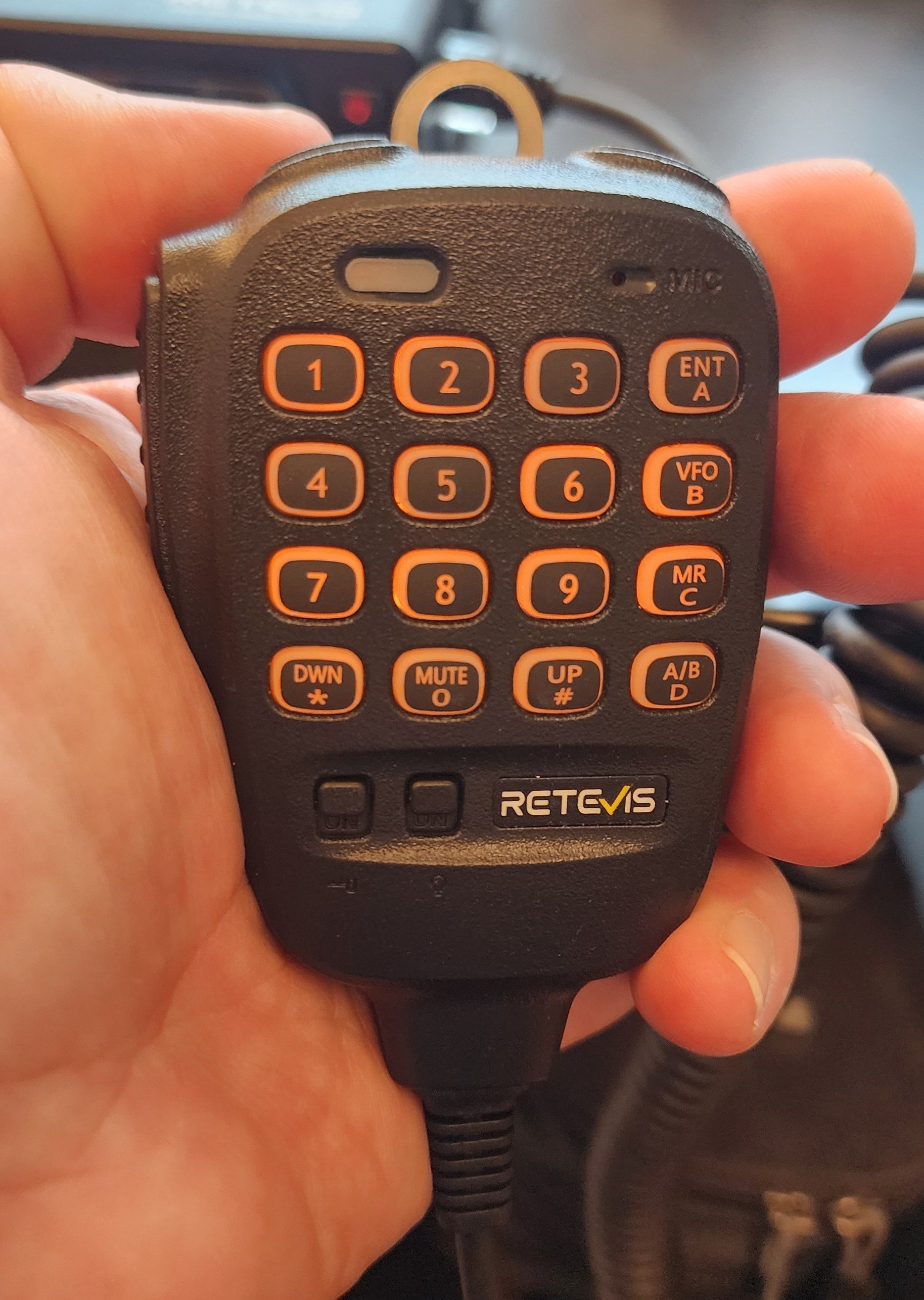
The bundled hand mic is very functional, but if you’re expecting Kenwood or Icom boldness, you’ll notice a difference. Locals I regularly talk to consistently report the MA1 audio as “fine, but not particularly great.” When swapping the MA1 and an Icom ID-5100, everyone immediately notices a more robust, fuller sound on the Icom. That said, there’s nothing fundamentally bad about the MA1’s audio - just don’t expect it to stand out in a group of high-end rigs. In practical use, the MA1’s audio is perfectly serviceable for daily nets, club check-ins, and routine traffic - it gets the job done but won’t win any audio awards. I do like the microphone design, especially the toggle to turn the key backlight on and off. That small little feature makes a big difference when operating at night.
Early Issues: PL Tones, Keying Delays, and Crossband Hiccups
I'll start by saying that sometimes it's not all fun being an early tester of new gear. I received the MA1 from Retevis on the first week of March, 2025 and am confident that I was one of the very first people in North America to obtain one. Quite frankly, the radio was a mess with a bunch of gremlins. But I’m always impressed by the level of customer service from Retevis – they listened to every one of the issues I reported and usually had new firmware for me to test within a week or so. I think it’s worth noting the early issues I encountered in case readers experience the same to point out that everything I’ve reported has been fixed.- Delay on transmit key-up: noticeable lag between pressing PTT and actual RF output, which causes you to clip the first syllable. This delay was especially frustrating when using the MA1 for exchanges on busy repeaters that require quick key-ups. This was also present in crossband repeat, which was even more problematic because you typically wouldn’t be sitting right next to the radio to notice the problem. Watching the radio transmission on SDR Sharp also showed a potential VCO lock issue contributing to this.
- Crossband repeat PL Tone problems: When using crossband repeat, the radio ignored the PL tone seting on the transmit band and wouldn’t send it, which made it useless as a remote base to access repeaters.
- General PL Tone stability: The PL tone generated was not stable enough, which caused it to drop out of repeaters. SDR Sharp showed the PL tone jumping all over the place.
- Crossband repeat TX instability: The radio would start the transmit when in crossband repeat but unkey after a few seconds. Initially we thought this was a heat problem, but it proved to be a firmware issue.
- Numerous programming issues: Writing or overwriting memories had weird issues and programming PL tones or DCS codes was hit or miss.
To reemphasize, all of these issues have been solved with firmware updates. In addition to the real problems, I noticed a few missing features such as Mic Gain and Automatic Repeater Offset. I sent that feedback and the new features were quickly added! This attention to post-sale support is very rare.
Full Duplex Operation.
The MA1 features 2 separate receivers, allowing for full duplex operation so you can transmit on one VFO while simultaneously receiving on a different band on the other VFO This makes it ideal for satellite communications and scenarios where constant two-way monitoring is essential. Here in L.A., we have repeaters that are incredibly busy so it’s often necessary to operate in a fully duplex manner to know if you’re stepping on a station – or being stepped on. Setting up one MA1 as a remote base in crossband repeat mode while using another MA1 to operate allows you to hear the repeater output while transmitting. And at the price point, purchasing two of these radios to operate in such a manner won't break the bank.Power Output
The MA1 offers selectable power settings on both VHF and UHF, but neither the specs or manual say what the output of each setting produces. I measured the following outputs at each setting using my Bird43 with appropriate slugs for each band:- VHF High: 50 watts
- VHF Mid2: 20 watts
- VHF Low: 5 watts
- UHF High: 35 watts
- UHF Mid2: 20 watts
- UHF Low: 5 watts
Spectrum Analyzer Test
I did a simple test on 2 meters with the TinySA Ultra, running the MA1 at full 50 watts output. Remember, if you’re going to do this test on your own, make sure you have plenty of attenuation between the rig and the TinySA unless you like smoke. In this case, I used my homebrew RF sampler with an additional 40db attenuator on the input of the TinySA. The additional 40db attenuator is overkill – 10db would be fine, but the TinySA is more accurate at lower input levels. The MA1 performed quite well. In the capture below, the fundamental 146.52 Mhz frequency is at –19.4dbm; the most prominent harmonic at 292.5 Mhz is –81.7dbm, a difference of 62.3db, which meets the FCC §97.307(e) spec of –60db. Well done, Retevis.
Ergonomics and Controls
The detachable face is a plus, and having both front and body mic jack options makes mounting a breeze. As mentioned earlier, the text above the buttons is tough to read in low light or at a glance—no color highlight, just dark-on-dark. The main menu knob on the left is very stiff to depress on my unit, but I hope that is limited to early production (or just my luck). That said, the overall build is solid and the buttons have good tactile feedback, making operating easy even while driving. The menu system is logically laid out, and with a bit of familiarity, most operators should be able to navigate settings without the manual in short order.
Conclusion
With the most recent firmware updates, the Retevis MA1 is a solid performer, especially considering the price. It packs nearly every feature of the Kenwood TM-V71A and - thanks to attentive support - Retevis has worked out the biggest bugs. If you want a full-featured dual-bander that won’t break the bank, the MA1 is easy to recommend. Just make sure you’re running the latest firmware, and you’ll have a radio that’s ready for prime time, capable of serving as a mobile, a base, or even as the centerpiece in your next field communications setup.The radio is available directly from Retevis here:
https://www.retevis.com/products/re...teur-ham-radio-with-detachable-front-panel-us
If you prefer to shop on Amazon and help keep worldwidedx.com going, you can buy it here:
