

The Retevis RT97L is a 25 watt portable and versatile repeater primarily sold in its GMRS configuration. But it's important to understand that this repeater can be special ordered to operate anywhere in the 400-470Mhz range. In this article, I'll focus on the GMRS configuration, it's practical applications, and why I really like this repeater as a central component in an overall GMRS system.
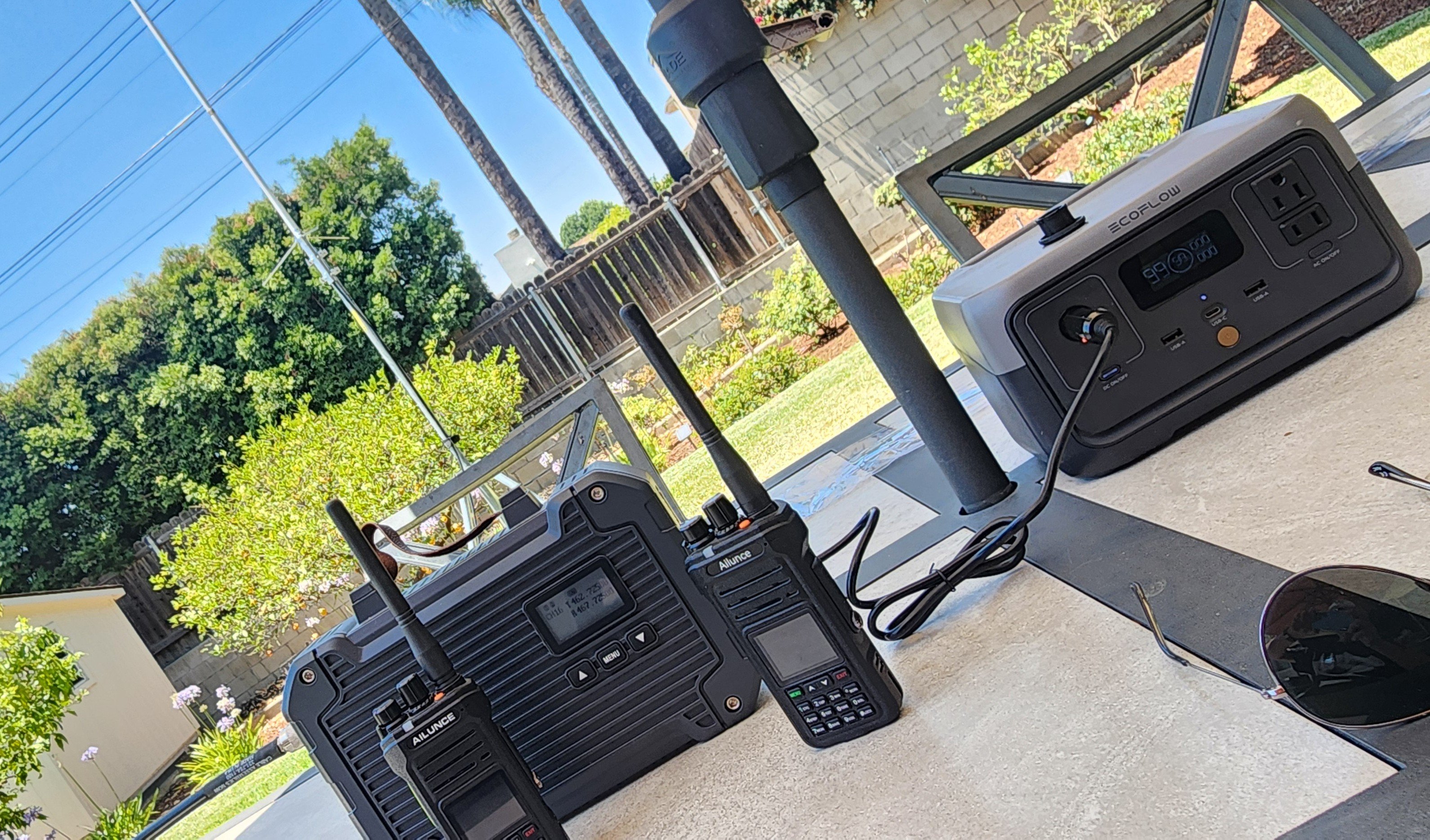
The repeater can be ordered as a standalone unit, or in various packages that include base antenna, coax, and mic options. In the pic above, the repeater is shown with the GMRS base antenna in the rear and two Retevis Ailunce HA1G 10 watt GMRS handheld radios; all were sent to me by Retevis for evaluation. The repeater package with the antenna ships with RG-58, which is useful for mobile installations, but is also very lossy at these frequencies, so I opted to use LMR400, instead. The repeater comes with both an AC switching power supply which supplies 15v to the repeater, as well as a 12v DC cigarette lighter.
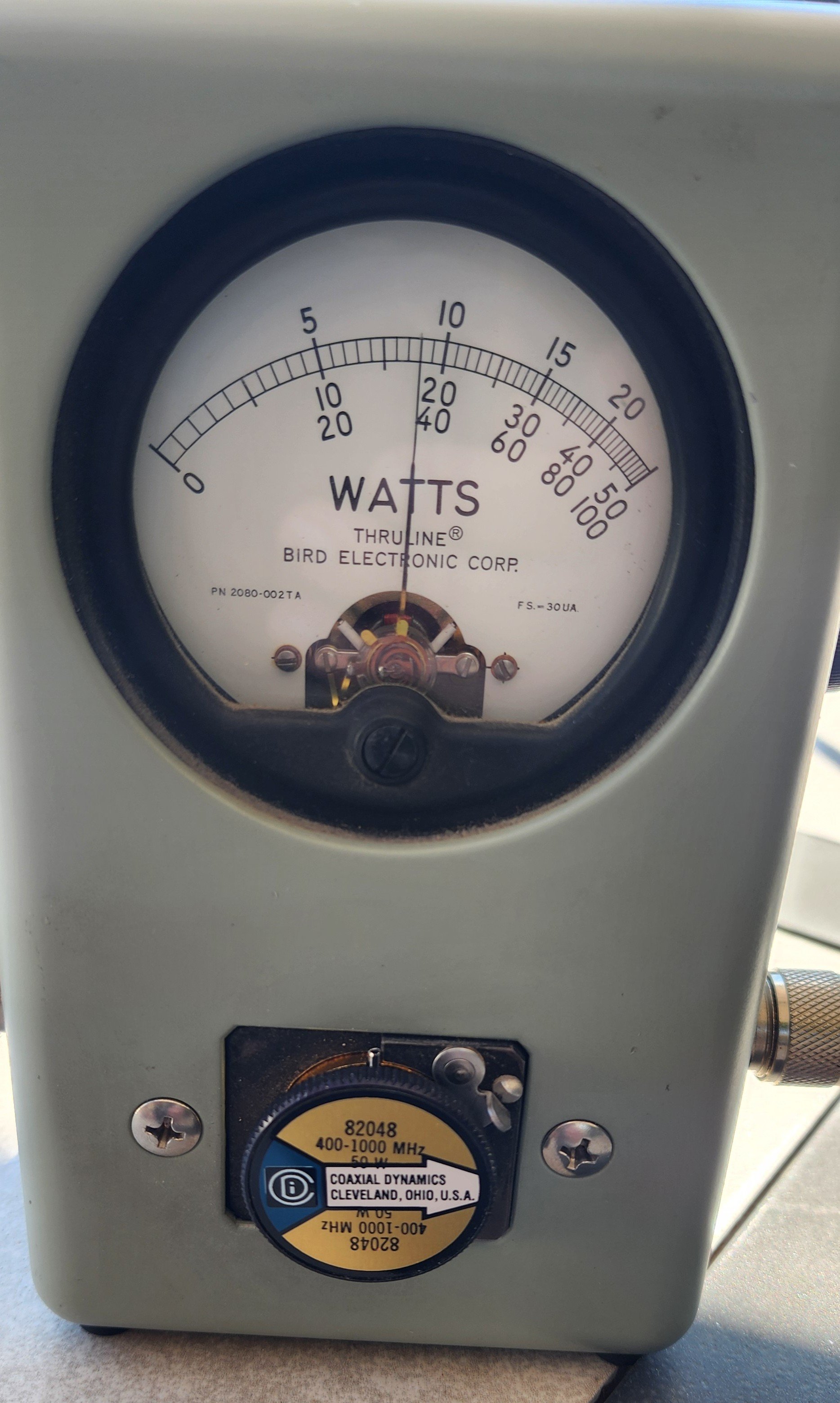
As is typical, power output varies based on supply voltage. With 12v, you'll see about 18 watts out, as shown below:
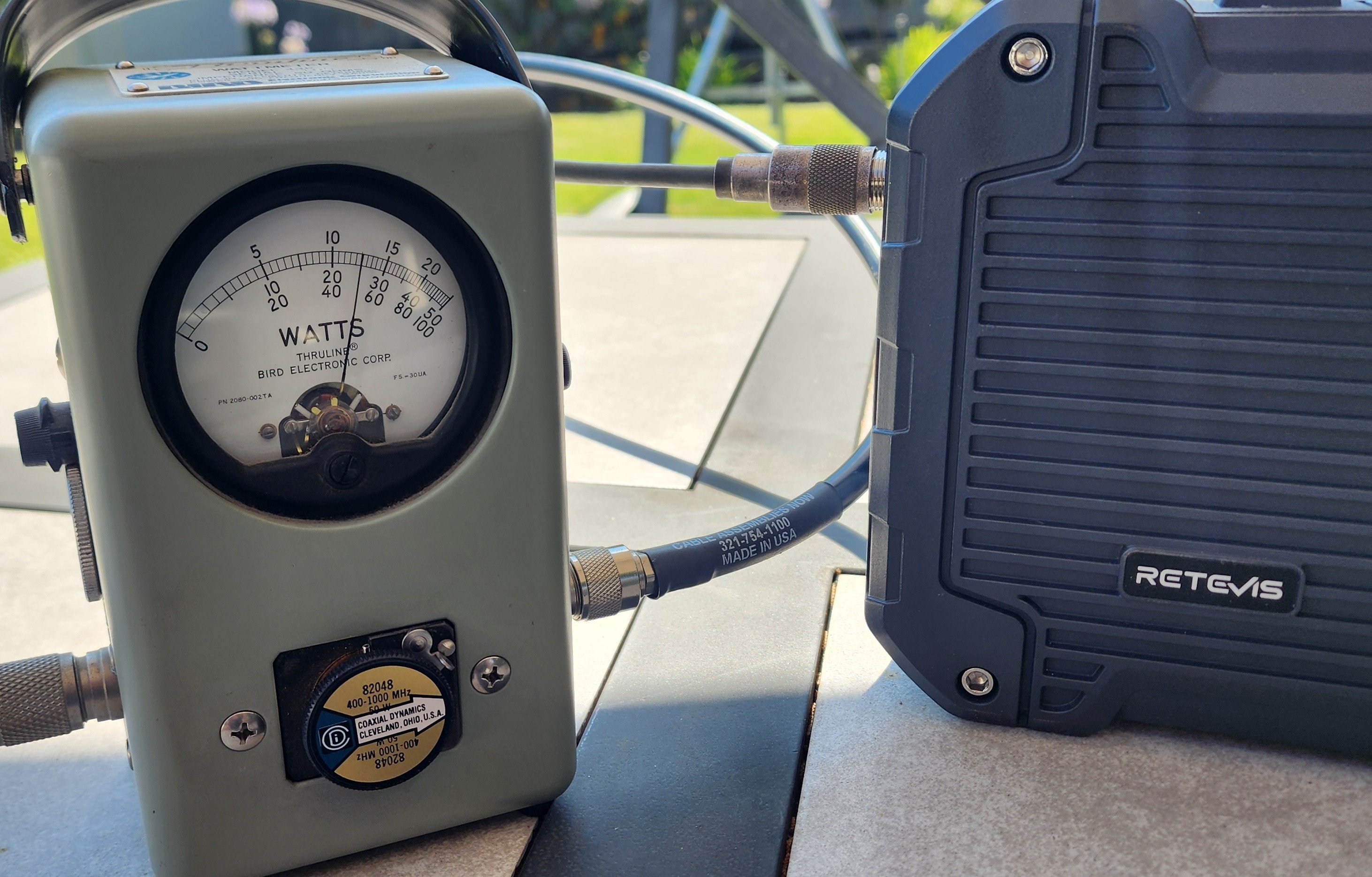
And with 15v, you'll see the full 25 watt rating, as shown here:
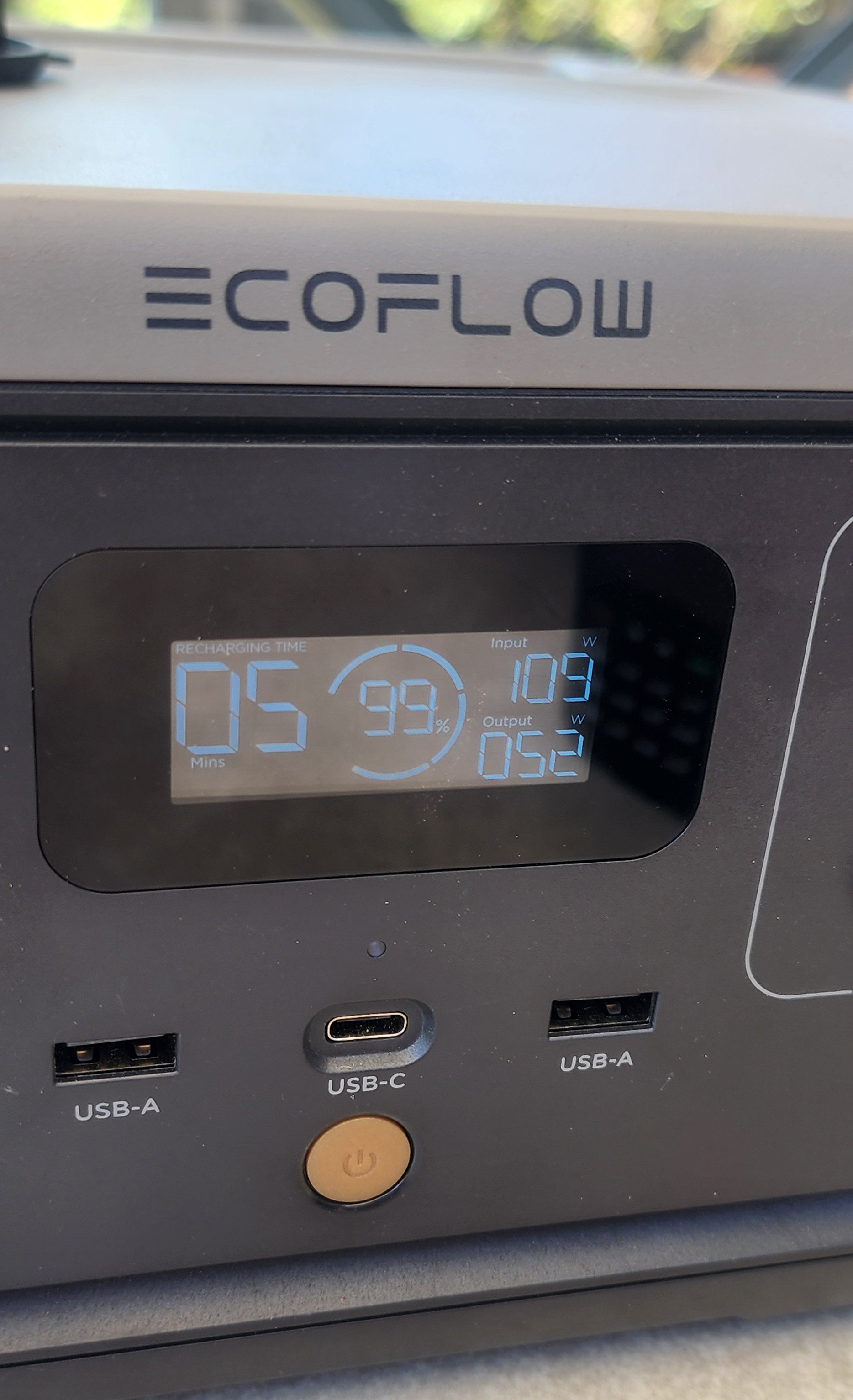
In a portable situation, whether off-grid or in an emergency comms scenario, it's useful to understand the current draw of the repeater at full power. I set up the repeater in the back yard with an Ecoflow River power station and 160 watt solar panel; using the AC power supply to achieve full repeater output. The power station showed 52 watts of draw while the repeater is transmitting.
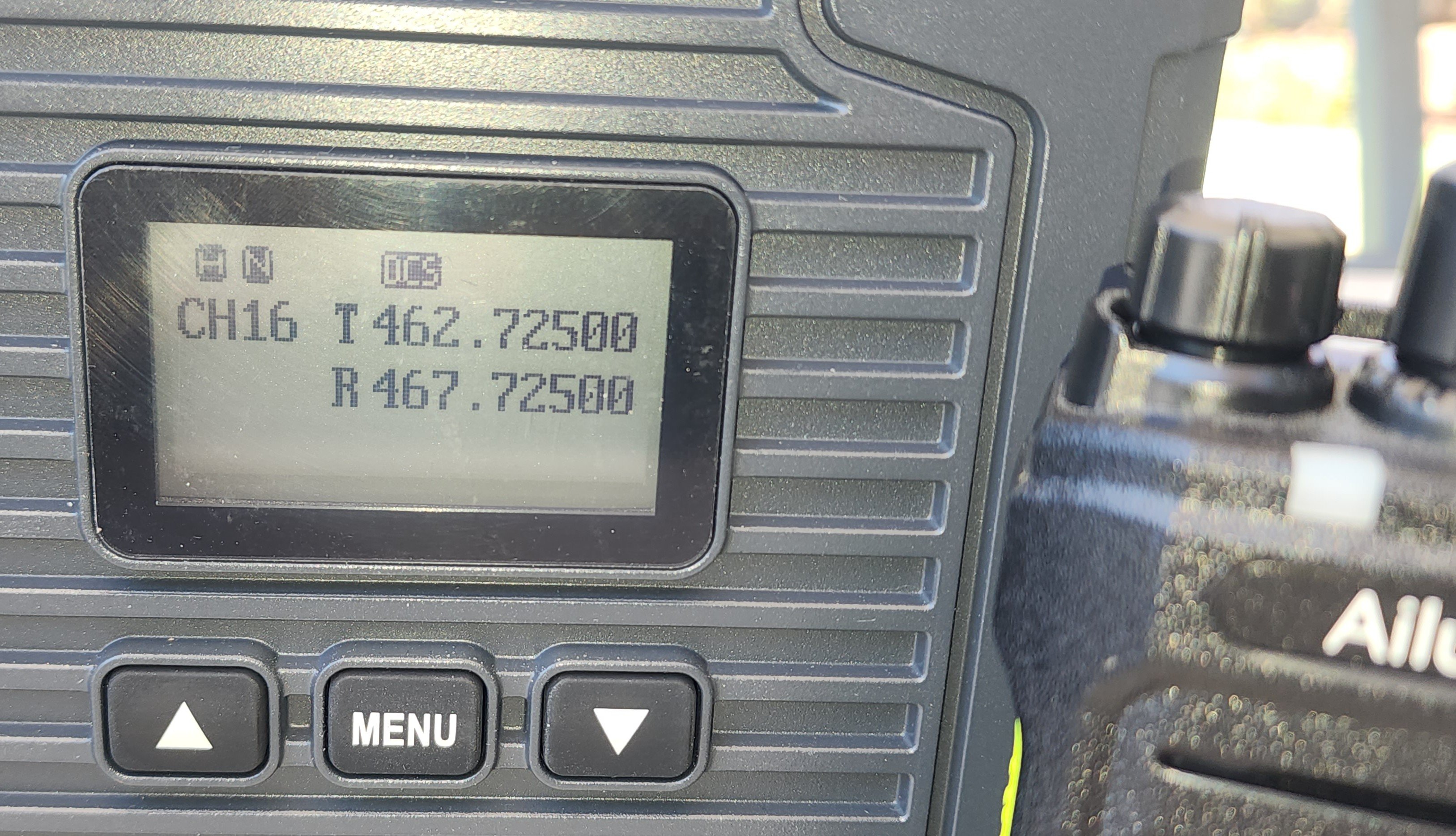
The GMRS version of the repeater comes preprogrammed with all the standard GMRS repeater channels, in both narrow and wide settings. You'll probably want to set up CTCSS tones or DCS codes for the channels and do the same on your handhelds to help avoid unwanted repeater key-ups. You can even mix and match tones and codes on the same channel pair. As an example, you could use CTCSS tone on the input frequency, and a DCS code on the output. If desired, you can also change the standard offset pairs to use an odd TX/RX combination. Programming both the RT97L and the HA1G are very straightforward, but if you decide to do odd splits or mixing of tones/codes, it will take a little bit of effort to get everything straight.
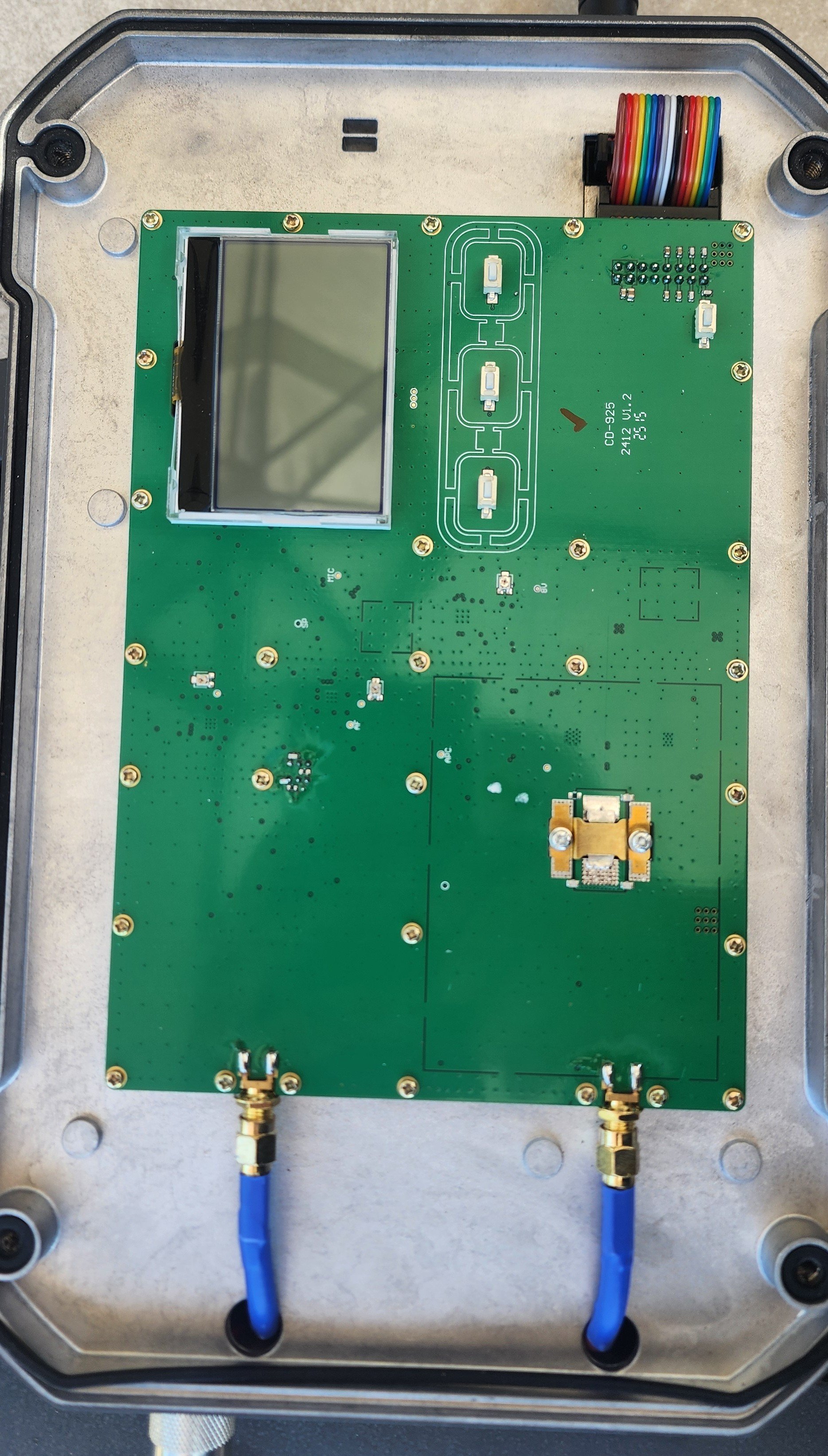
I opened up the repeater both to understand the internal layout, but also so that I could see how the unit was designed to dissipate heat under usage. As you can see in this pic of the RF deck, a rubber gasket protects from water and dust and the board is directly mounted to the chassis which acts as a giant heat sink.
Flipping the unit over reveals the internal duplexer with a sticker noting the frequencies it is optimized for. Noting this, I tested to see if there was any significant power drop off at the GMRS band edges, and I didn't notice much, if any.
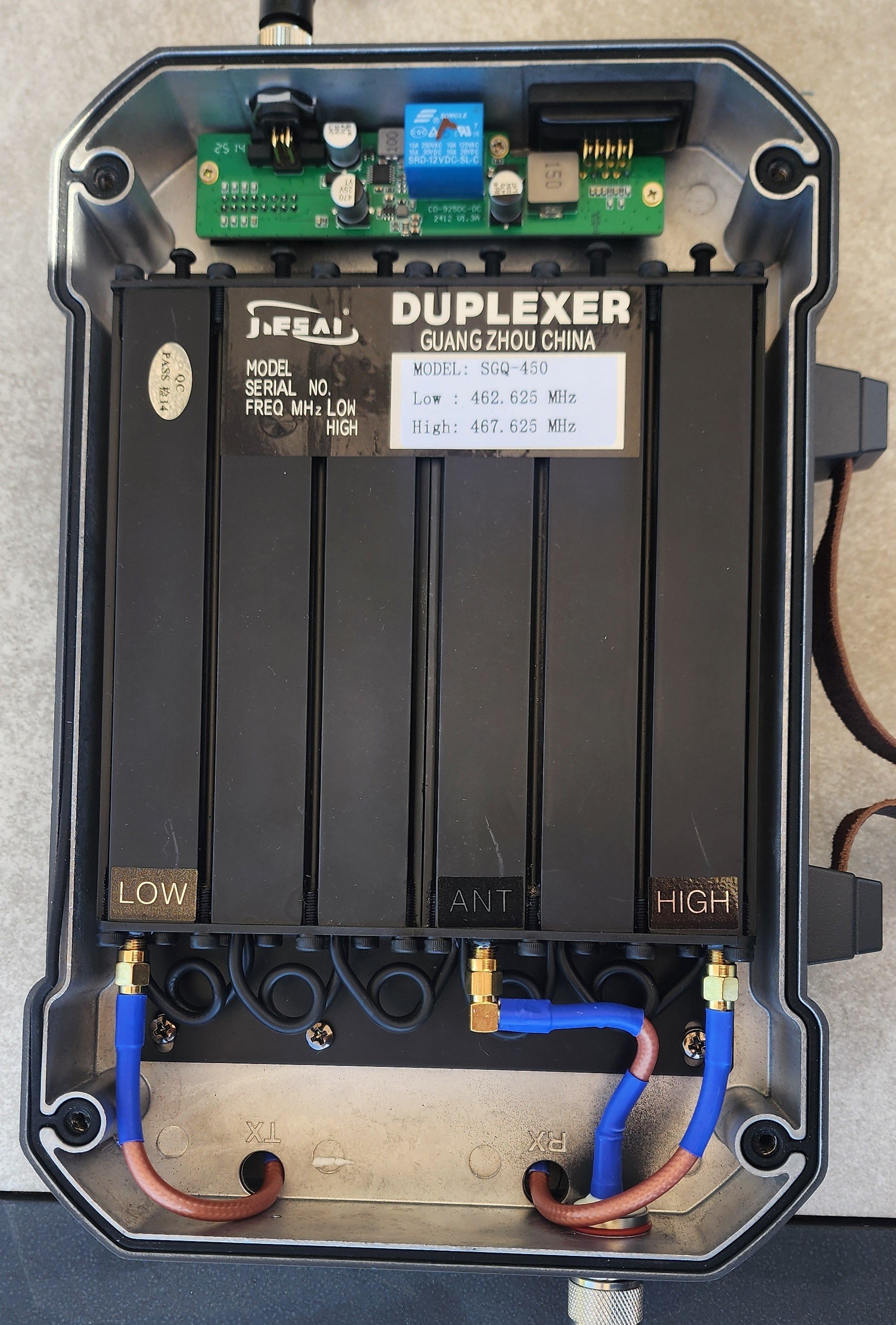
This type of duplexer was initially designed by Motorola for small and mobile repeaters and is still a popular design today. However, it's important to understand its limitations - you should not use this repeater in high RF environments such as locations with many other repeaters in the same band, because these notch type duplexers typically see only around 80db of isolation. In the past, I used one with a Motorola GM300 repeater setup and was able to achieve about 90db of isolation with very careful, tight tuning. I didn't explicitly test for isolation, but given the need to operate on all the GMRS repeater frequencies, this unit is likely only able to achieve about 80db, maybe less. However, this won't be a problem for most applications that the RT97L will most likely be used for.
To do some basic range testing for a quick deployment scenario, such as might be used at a campsite or emergency, I set up the antenna on a simple Winegard antenna tripod in the back yard at about 10 feet to the feed point. This type of deployment literally takes minutes. I set out in the Jeep with the HA1G handheld to test out the range with this very simple setup. My back yard has a little bit of elevation over the valley below, which helps, but that is also countered quite a bit by all the large buildings and terrain of the big city. My purpose was to determine how useful this type of system would be in an emergency communication scenario where there was a loss of power and cellular coverage. This actually happened to me in the recent Southern California Santa Ana wind and fire storm event. Communication out to 10 miles was easily achieved with this very basic setup. Of course, if I got the antenna up on the roof or tower and used better mobile antennas for the remote station more coverage would be realized, but that's not the scenario I wanted to test.
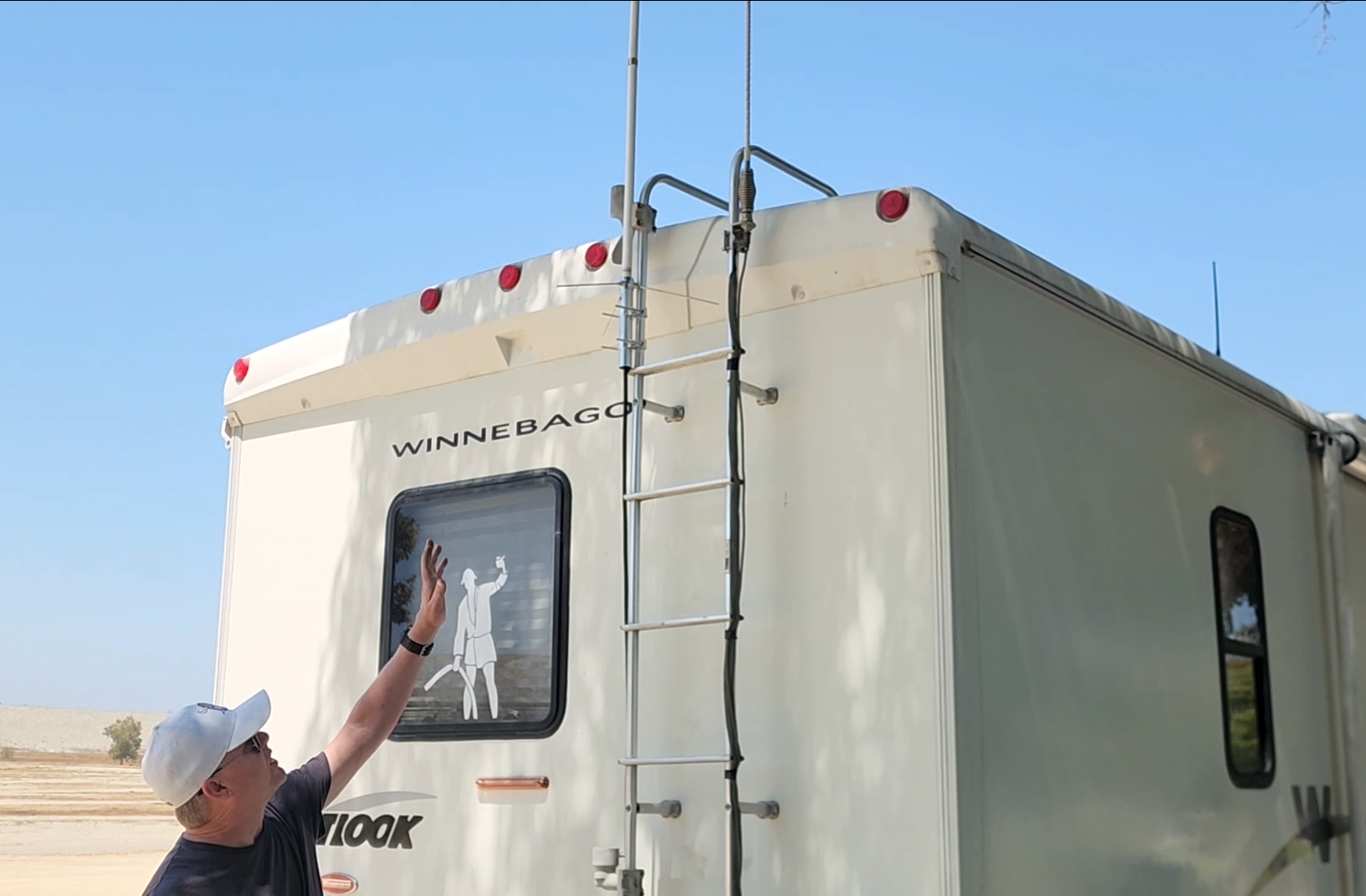
Another useful scenario for a GMRS system like this is a dispersed camping situation, popular among RVers and off roaders. The base antenna easily attaches to an RV roof ladder; in my case the repeater can attach directly to the cigarette lighter on the outside of the coach using the house batteries. Out in the middle of nowhere, this type of setup would provide coverage for many miles. This is also a good scenario for using the built-in repeater speaker and optional mic to double it up as a base radio.
While primarily billed as a portable unit, the RT97L also comes with mounting hardware for more permanent installs such as attached to a wall. Because of the IP66 rating, it's no problem to leave this outside at all times.
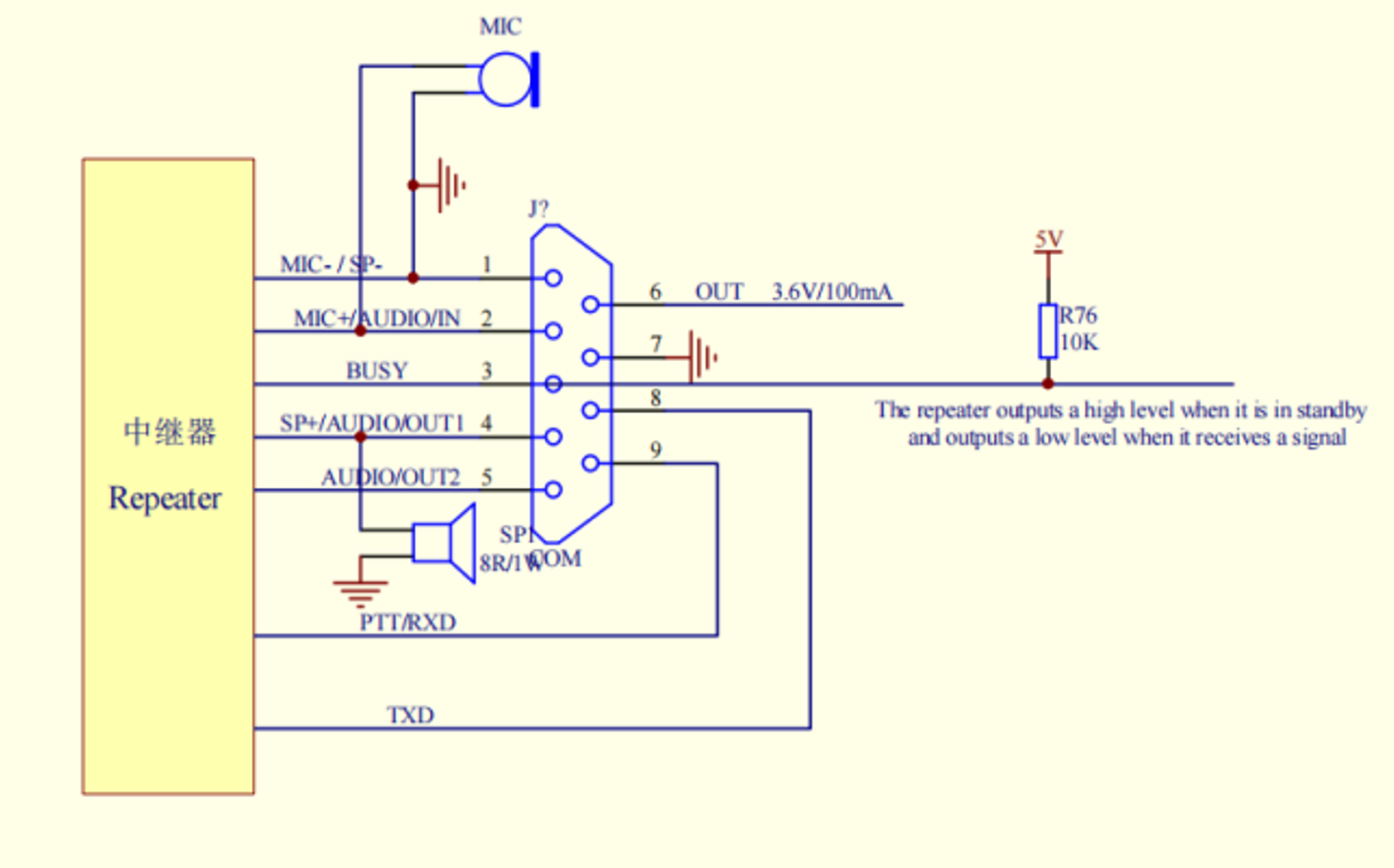
The DB9 port is useful for attaching the optional mic and is also used for programming. You can also use it for other purposes, such as an external IDer. RepeaterID.com has a unit preconfigured for the RT97L, but you could also build one using a raspberry Pi. Remember, even though you could use the DB9 interface for data modes, those are strictly prohibited on GMRS - upgrade to an Amateur Radio license and frequencies if you want to do that. Here is the pinout of the DB9:
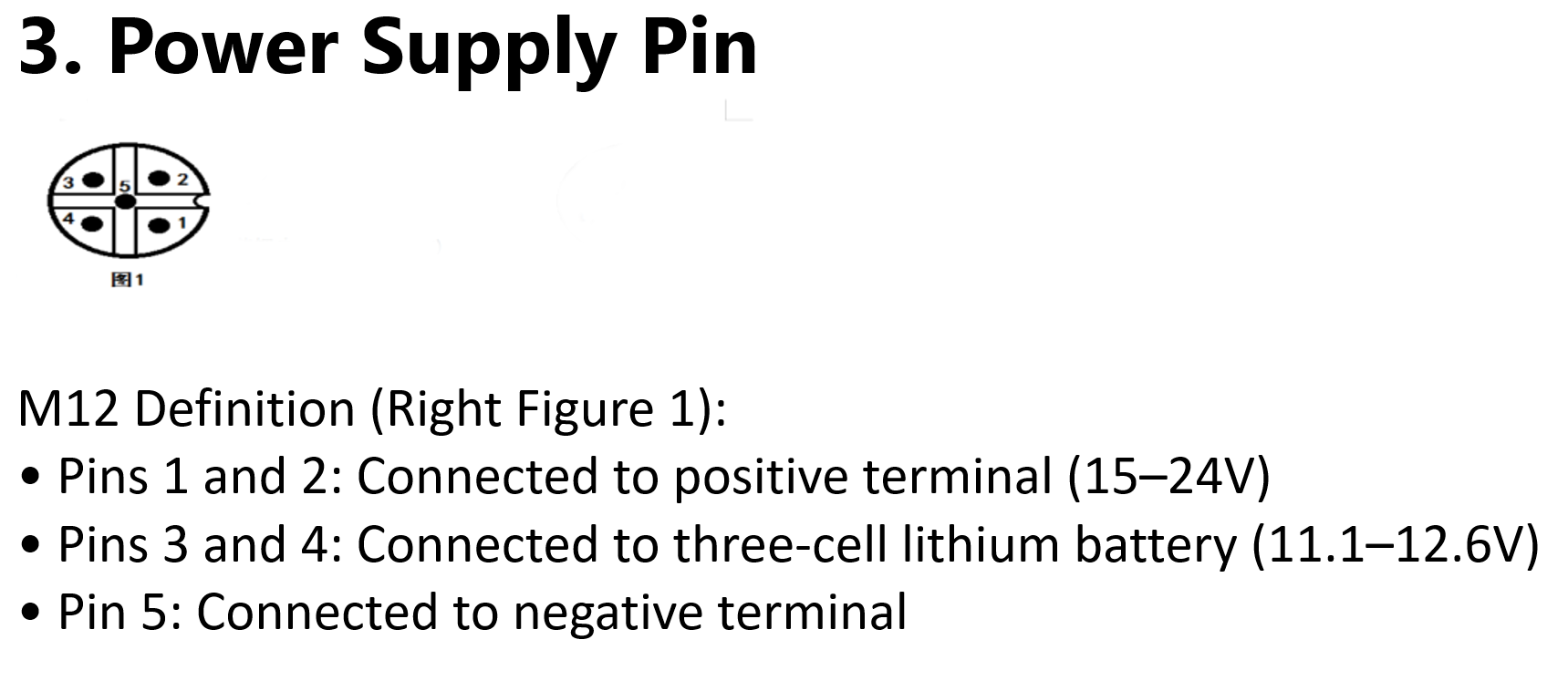
Here's the pinout of the DC power port in case you have a reason to wire up your own power adapter:
In summary, I like this system a lot. The GMRS license is so accessible ($35 fee for 10 years for whole family with no tests required), that a setup like this makes so much sense for a variety of use cases. My purpose is for back-up family and neighborhood communications, but I will definitely use this when camping in the RV. Programming both the RT97L and the HA1G radios is super simple. I recommend using better coax such as LMR400 to maximize power delivery to the antenna. I plan on keeping this repeater in my arsenal for a long time.
Products used in this article are below; any commissions earned buy buying from these links are put right back into the maintenance of worldwidedx.com:
Retevis RT97L Kit with Antenna:
Winegard Antenna Tripod:
https://www.amazon.com/EF-ECOFLOW-Conversion-Efficiency-Adjustable/dp/B0D3VCQV6W?tag=worradfor-20
Retevis Ailunce HA1G GMRS Handheld:
https://www.amazon.com/Retevis-HA1G-Handheld-Rechargeable-Waterproof/dp/B0CHRJ3PRS?tag=worradfor-20
Times Microwave LMR400 Coax:
https://www.amazon.com/Cable-Assemblies-Now-Connectors-Transmitters/dp/B0BSP5CPB2?tag=worradfor-20
Ecoflow River 2 Power Station: https://www.amazon.com/EF-ECOFLOW-Portable-RIVER-Generator/dp/B0B8MXPRDB?tag=worradfor-20
Ecoflow 160 Watt Solar Panel: https://www.amazon.com/EF-ECOFLOW-Conversion-Efficiency-Adjustable/dp/B0D3VCQV6W?tag=worradfor-20
Retevis RT97L Facebook page - Promos are often posted here:
If you join the facebook page, please tell them you saw this article.
The repeater can be ordered as a standalone unit, or in various packages that include base antenna, coax, and mic options. In the pic above, the repeater is shown with the GMRS base antenna in the rear and two Retevis Ailunce HA1G 10 watt GMRS handheld radios; all were sent to me by Retevis for evaluation. The repeater package with the antenna ships with RG-58, which is useful for mobile installations, but is also very lossy at these frequencies, so I opted to use LMR400, instead. The repeater comes with both an AC switching power supply which supplies 15v to the repeater, as well as a 12v DC cigarette lighter.
As is typical, power output varies based on supply voltage. With 12v, you'll see about 18 watts out, as shown below:
And with 15v, you'll see the full 25 watt rating, as shown here:
In a portable situation, whether off-grid or in an emergency comms scenario, it's useful to understand the current draw of the repeater at full power. I set up the repeater in the back yard with an Ecoflow River power station and 160 watt solar panel; using the AC power supply to achieve full repeater output. The power station showed 52 watts of draw while the repeater is transmitting.
The GMRS version of the repeater comes preprogrammed with all the standard GMRS repeater channels, in both narrow and wide settings. You'll probably want to set up CTCSS tones or DCS codes for the channels and do the same on your handhelds to help avoid unwanted repeater key-ups. You can even mix and match tones and codes on the same channel pair. As an example, you could use CTCSS tone on the input frequency, and a DCS code on the output. If desired, you can also change the standard offset pairs to use an odd TX/RX combination. Programming both the RT97L and the HA1G are very straightforward, but if you decide to do odd splits or mixing of tones/codes, it will take a little bit of effort to get everything straight.
I opened up the repeater both to understand the internal layout, but also so that I could see how the unit was designed to dissipate heat under usage. As you can see in this pic of the RF deck, a rubber gasket protects from water and dust and the board is directly mounted to the chassis which acts as a giant heat sink.
Flipping the unit over reveals the internal duplexer with a sticker noting the frequencies it is optimized for. Noting this, I tested to see if there was any significant power drop off at the GMRS band edges, and I didn't notice much, if any.
This type of duplexer was initially designed by Motorola for small and mobile repeaters and is still a popular design today. However, it's important to understand its limitations - you should not use this repeater in high RF environments such as locations with many other repeaters in the same band, because these notch type duplexers typically see only around 80db of isolation. In the past, I used one with a Motorola GM300 repeater setup and was able to achieve about 90db of isolation with very careful, tight tuning. I didn't explicitly test for isolation, but given the need to operate on all the GMRS repeater frequencies, this unit is likely only able to achieve about 80db, maybe less. However, this won't be a problem for most applications that the RT97L will most likely be used for.
To do some basic range testing for a quick deployment scenario, such as might be used at a campsite or emergency, I set up the antenna on a simple Winegard antenna tripod in the back yard at about 10 feet to the feed point. This type of deployment literally takes minutes. I set out in the Jeep with the HA1G handheld to test out the range with this very simple setup. My back yard has a little bit of elevation over the valley below, which helps, but that is also countered quite a bit by all the large buildings and terrain of the big city. My purpose was to determine how useful this type of system would be in an emergency communication scenario where there was a loss of power and cellular coverage. This actually happened to me in the recent Southern California Santa Ana wind and fire storm event. Communication out to 10 miles was easily achieved with this very basic setup. Of course, if I got the antenna up on the roof or tower and used better mobile antennas for the remote station more coverage would be realized, but that's not the scenario I wanted to test.
Another useful scenario for a GMRS system like this is a dispersed camping situation, popular among RVers and off roaders. The base antenna easily attaches to an RV roof ladder; in my case the repeater can attach directly to the cigarette lighter on the outside of the coach using the house batteries. Out in the middle of nowhere, this type of setup would provide coverage for many miles. This is also a good scenario for using the built-in repeater speaker and optional mic to double it up as a base radio.
While primarily billed as a portable unit, the RT97L also comes with mounting hardware for more permanent installs such as attached to a wall. Because of the IP66 rating, it's no problem to leave this outside at all times.
The DB9 port is useful for attaching the optional mic and is also used for programming. You can also use it for other purposes, such as an external IDer. RepeaterID.com has a unit preconfigured for the RT97L, but you could also build one using a raspberry Pi. Remember, even though you could use the DB9 interface for data modes, those are strictly prohibited on GMRS - upgrade to an Amateur Radio license and frequencies if you want to do that. Here is the pinout of the DB9:
Here's the pinout of the DC power port in case you have a reason to wire up your own power adapter:
In summary, I like this system a lot. The GMRS license is so accessible ($35 fee for 10 years for whole family with no tests required), that a setup like this makes so much sense for a variety of use cases. My purpose is for back-up family and neighborhood communications, but I will definitely use this when camping in the RV. Programming both the RT97L and the HA1G radios is super simple. I recommend using better coax such as LMR400 to maximize power delivery to the antenna. I plan on keeping this repeater in my arsenal for a long time.
Products used in this article are below; any commissions earned buy buying from these links are put right back into the maintenance of worldwidedx.com:
Retevis RT97L Kit with Antenna:
Winegard Antenna Tripod:
https://www.amazon.com/EF-ECOFLOW-Conversion-Efficiency-Adjustable/dp/B0D3VCQV6W?tag=worradfor-20
Retevis Ailunce HA1G GMRS Handheld:
https://www.amazon.com/Retevis-HA1G-Handheld-Rechargeable-Waterproof/dp/B0CHRJ3PRS?tag=worradfor-20
Times Microwave LMR400 Coax:
https://www.amazon.com/Cable-Assemblies-Now-Connectors-Transmitters/dp/B0BSP5CPB2?tag=worradfor-20
Ecoflow River 2 Power Station: https://www.amazon.com/EF-ECOFLOW-Portable-RIVER-Generator/dp/B0B8MXPRDB?tag=worradfor-20
Ecoflow 160 Watt Solar Panel: https://www.amazon.com/EF-ECOFLOW-Conversion-Efficiency-Adjustable/dp/B0D3VCQV6W?tag=worradfor-20
Retevis RT97L Facebook page - Promos are often posted here:
If you join the facebook page, please tell them you saw this article.
