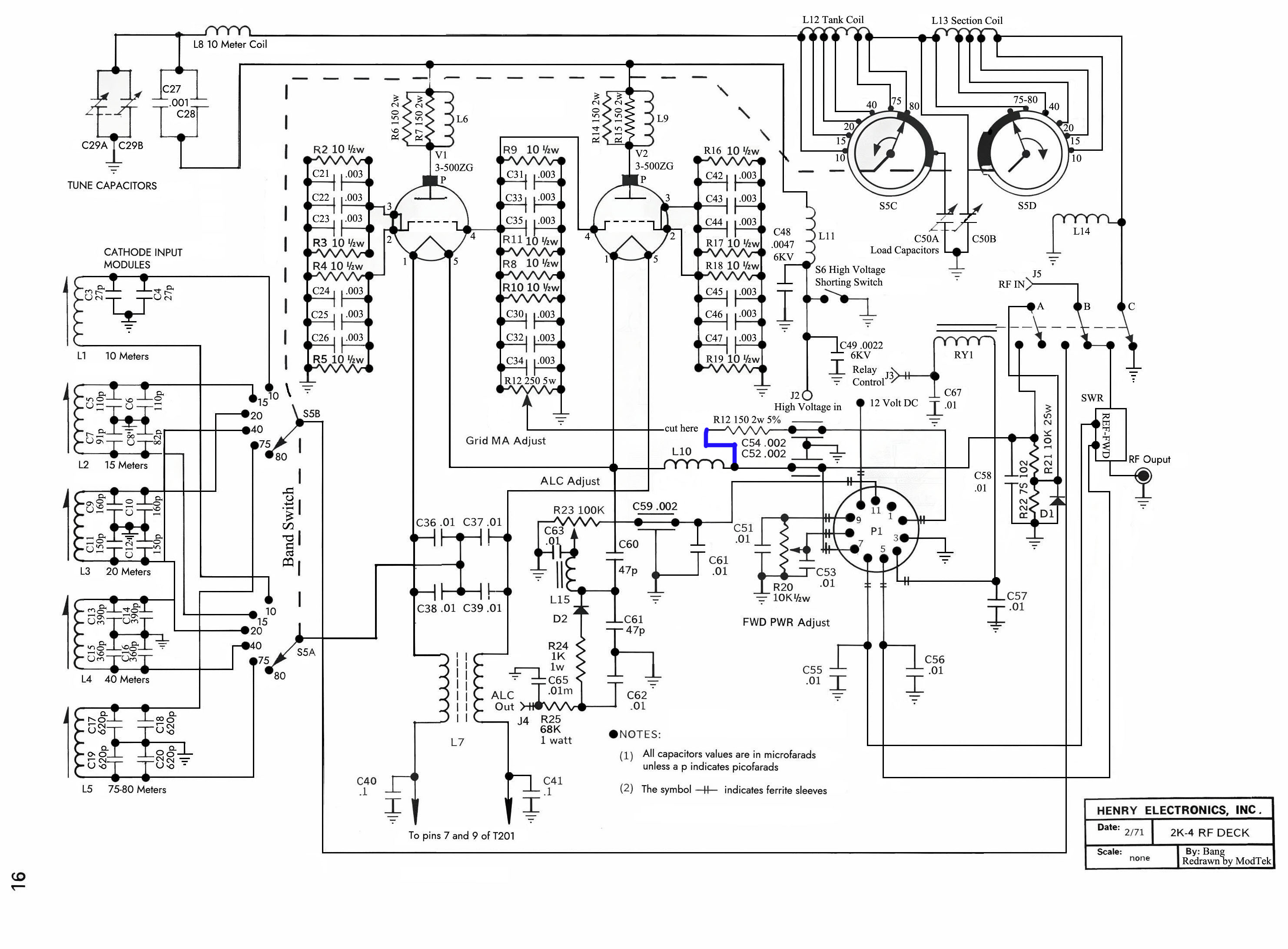
Traditional shunt resistor for a grid-current meter is connected from B-minus to ground. But that assumes that the B-minus "floats" and connects to the filament center-tap, maybe through the relay and a zener diode. This model connects the B-minus to ground, more or less. At least the power-supply diagram shows the positive pole of the plate-current meter is grounded. Traditional designs "float" the B-minus, connecting it to the cathode transformer center tap, maybe via the relay and a maybe zener diode. Only the grids connect to ground, and the grid meter reads voltage drop across a shunt resistor from B-minus to ground. Don't see a way to bodge this into that power supply. Looks to me like you're stuck with the grid-resistor array unless you redesign the power supply. The overload relay is a part of this picture, and it would have to get rewired as well.
Looks like a can of worms to me. Not attractive unless you're going fishing.
73