• You can now help support WorldwideDX when you shop on Amazon at no additional cost to you! Simply follow this Shop on Amazon link first and a portion of any purchase is sent to WorldwideDX to help with site costs.
  • A Winner has been chosen for the 2026 July 4th Retevis RA89R Giveaway! Click Here to see who won!

Browning Mark: 4 old dog ponders new trick.

I would just as soon keep it broadbanded. Especially to make it compatible to either the 21 MHz Mark 4A first lo, or the 31 MHz in the Mark 3 and older. Better than having to stock two separate versions.

Proof is in the results, once I see them.

PCBs are due to show Monday 5/11. Still can't shake that "kid the night before Christmas" impatience for them to arrive.

73
 
They say "measure twice cut once".

Measure once, cut three times, right?

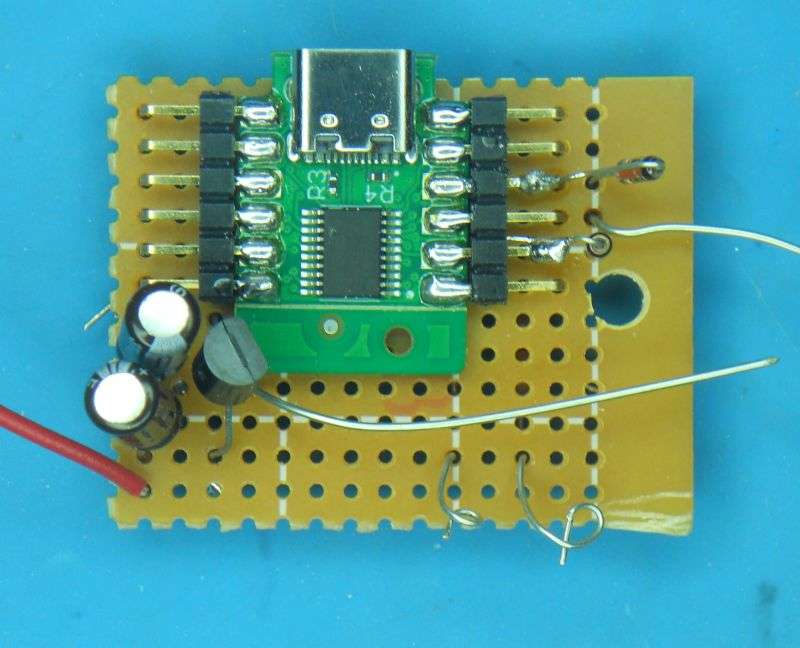
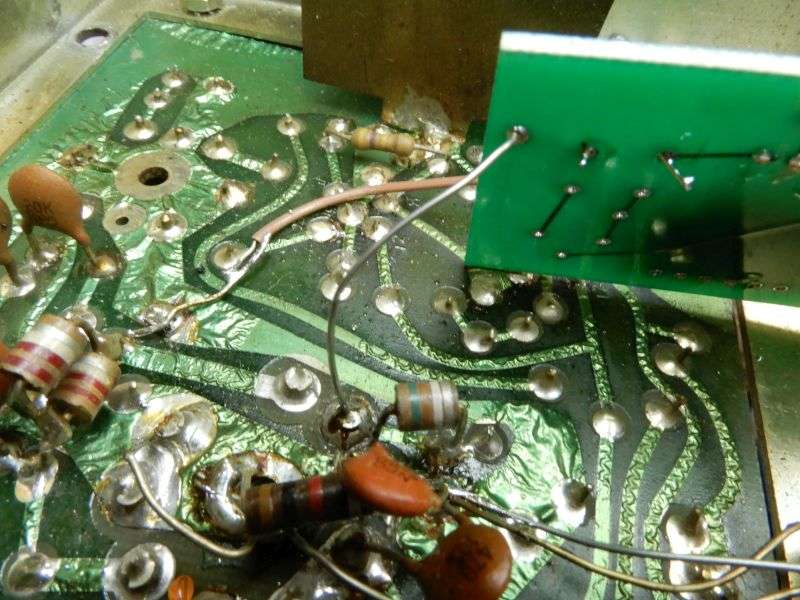
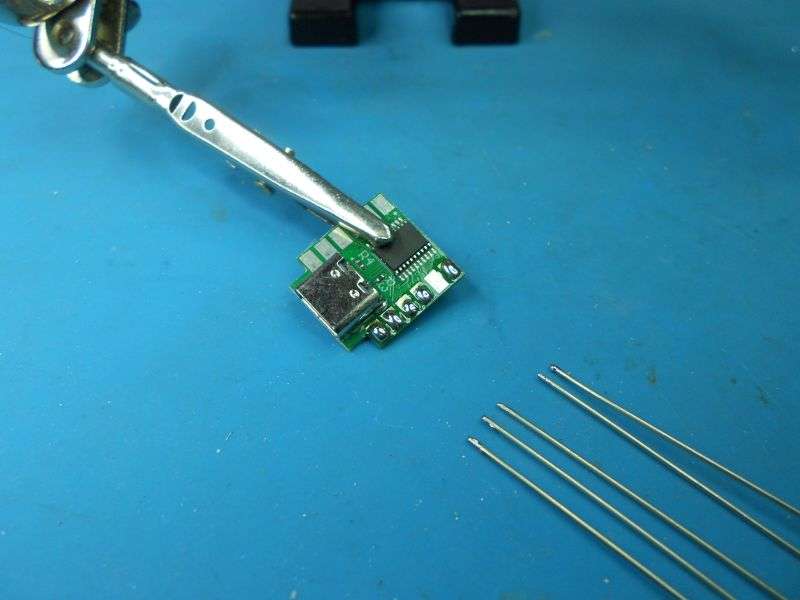
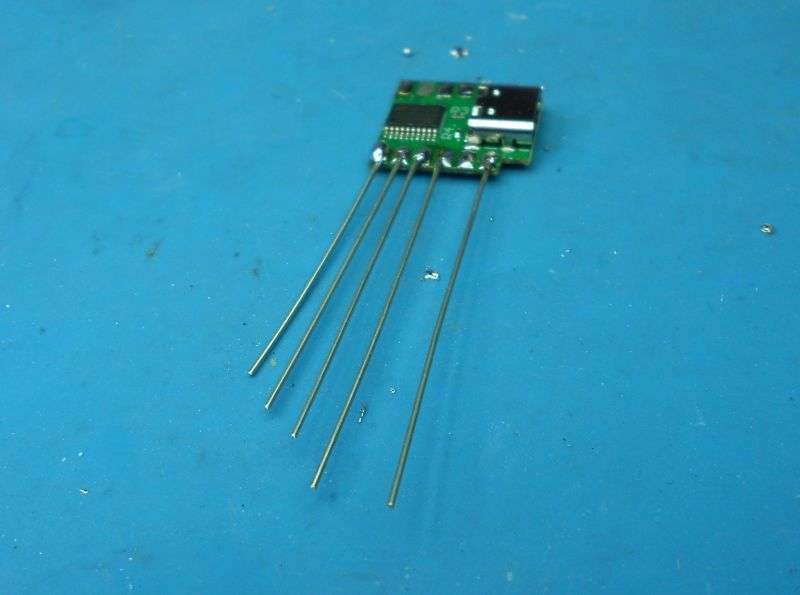
That's how this prototype played out. First, I wanted to mount it with the right-angle header pins, like on the perf board.

riGWtF.jpg


First problem. I made the 12 holes too small for the header pins.

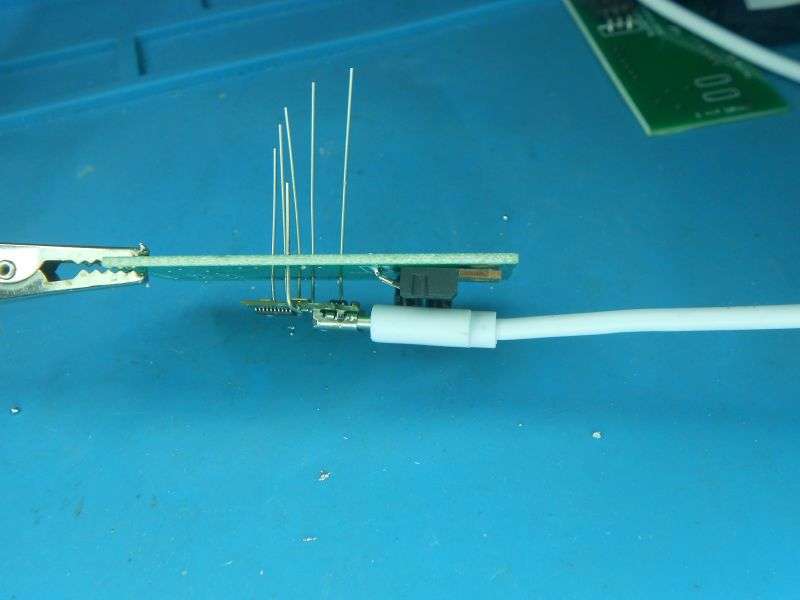
dZwByh.jpg


Well, no big deal. I'll just use wire jumpers. Only needs six for my application.

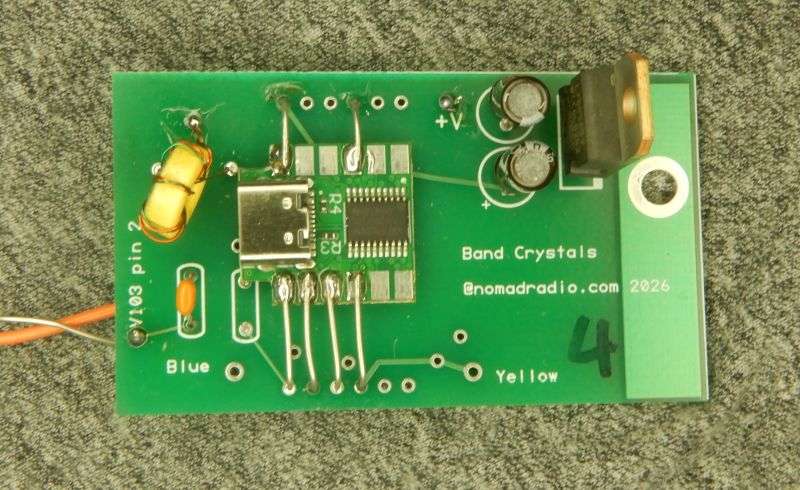
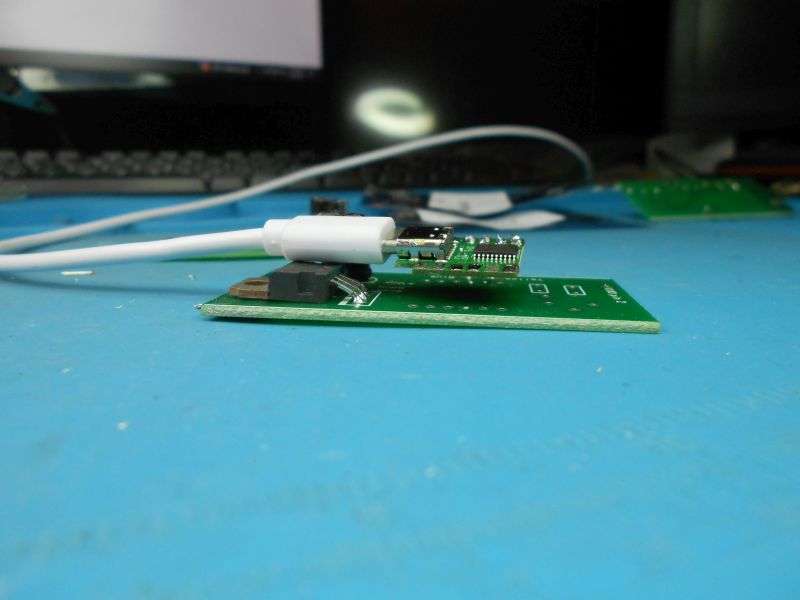
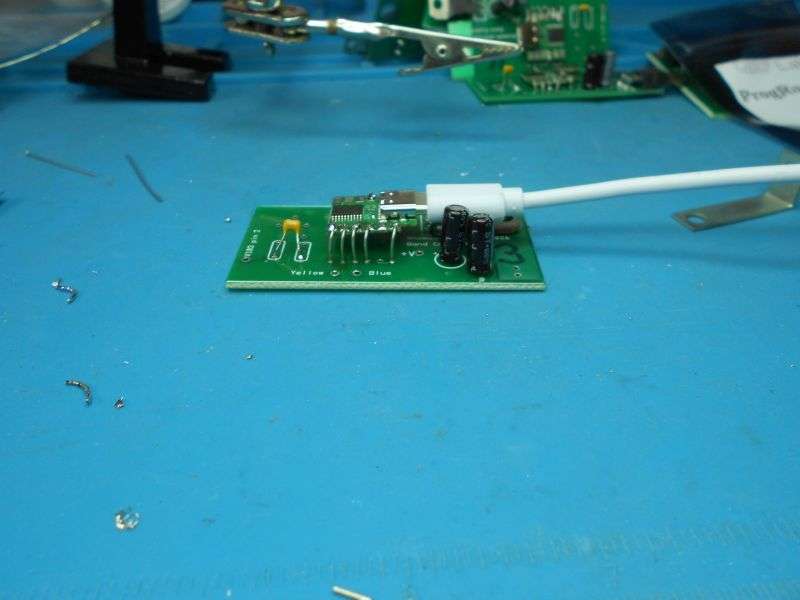
Just one problem. I decided that the USB socket would be blocked by the voltage regulator, so I turned it the other way. And screwed up which side gets which connections.

yrVmjl.jpg


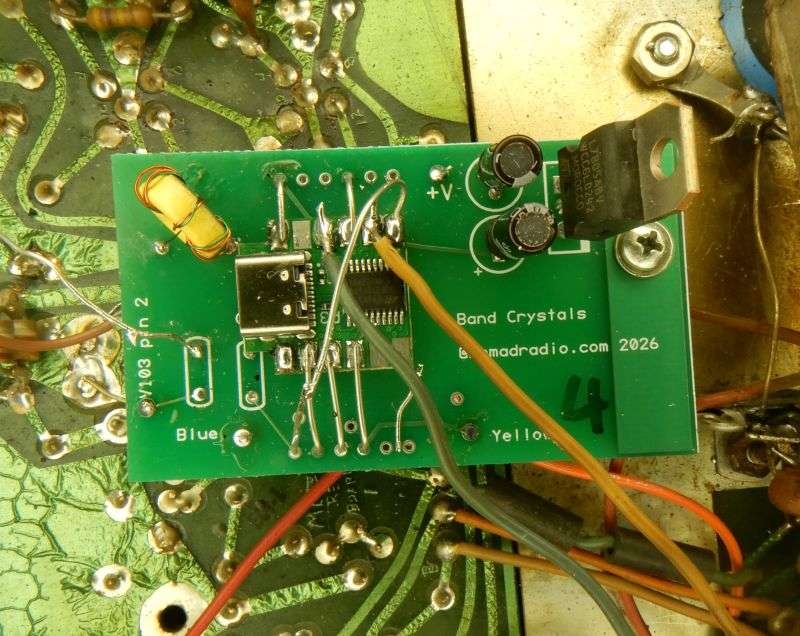
So the connections got kluged to where they should have gone.

Good news is that it works.

But the two-to-one output-voltage step-up doesn't. Core is T38-6. It has five turns twisted to make it a transmission-line transformer. RF voltage into the tube grid is slightly less than a direct connection.

At least it's not "cut four times".

Decided I like the jumper wires better than the header pins after all. They take up less space, so the next version can be smaller.

Some time betwen now and when the next iteration arrives I should try it in a Mark 3 receiver. And maybe figure out why the toroid didn't get me a drive-voltage step up.

The TO-220 voltage regulator looks like overkill, but the tiny TO-92 regulator I used at first was getting too warm for my tastes. Putting the covers on the radio would probably have pushed it from "warm" to "too hot". These days, the price is typically the same for either size regulator.

Bact to the drawing board.

73
 
  • Like
Reactions: Cable Guy
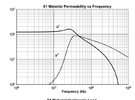
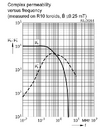
When you first mentioned a step-up transformer, I thought I would try my type 61 mini binocular cores. It didn't work too well. I don't know much about ferrites, but this is the chart that made me give up:
Screenshot from 2026-05-14 00-52-05.png
u' is the inductive part of the permeability and u" is the loss part. At 22MHz, the loss becomes significant. I assume the same issue occured with your type 38 cores.

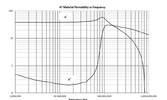
This is from the T38 datasheet. Not only does the loss become significant at a much lower frequency, but the inductive portion rolls off before it becomes useful.
Screenshot from 2026-05-14 00-49-54.png
I don't know what ferrite material would be best for 22MHz, but I think type 67 might be where its at.
Screenshot from 2026-05-14 00-55-25.png
edit: If you have any of those old TV coax to window line adapters, you might find a good VHF core inside one.
 
Last edited:
  • Like
Reactions: Cable Guy
Hi Nomad,

Are the 4A receivers much different that the 4's? Would this work in a 4 if you get it perfected?

Thanks,

Trainman
 
The main difference between the receivers will be the regulator circuit board for the negative 9 Volts DC. Found only in the original Mark 4, to power the horribly-obsolete "poof" chip, the 1302 ROM in the transmitter. No need for it in the 4A, since the channel selector/PLL run from 11 Volts DC. This crystal sub trick should work the same in either version receiver.

73
 
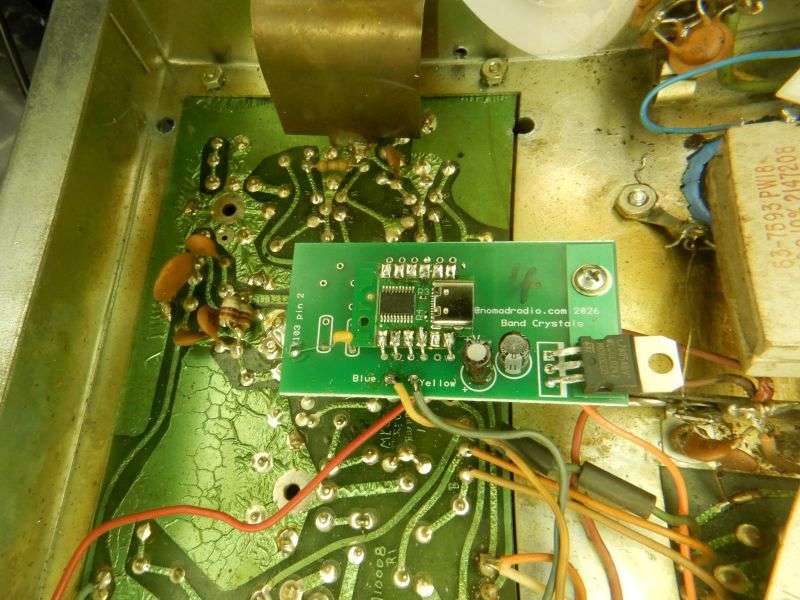
Mark 4A receiver band crystals two point oh.

Layout is cleaner, but a bit if wasted board space.

NwA9QJ.jpg


Just one little boo-boo.

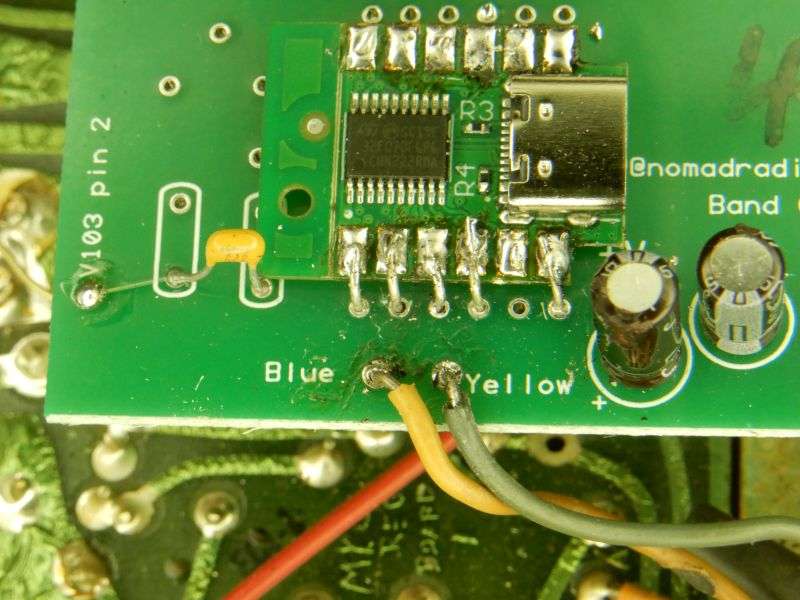
A closer look:

ymbEIG.jpg


Yeah, I got the wire colors reversed on the screen-print legend.

Not to worry. Fixed it by swapping the order the frequencies area stored in the ProgRock module. A kluge, but easier than trying to explain a backwards hookup to an end user. The idea was to sell these, after all.

Hookup to the mixer tube is just a wire jumper now. No more flying capacitor.

MOurRf.jpg


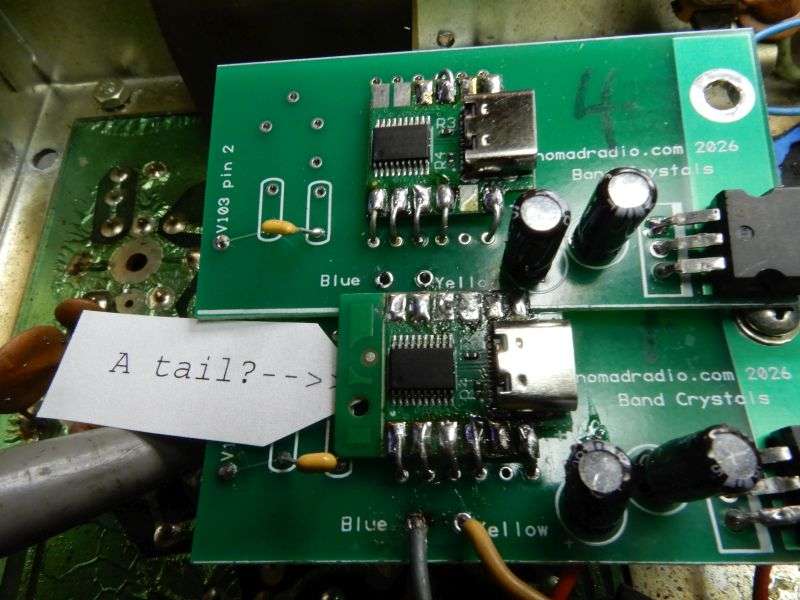
Did discover an odd quirk in the next batch of the ProgRock modules I bought. The one on the top is from the first batch. The one below it has an odd "tail" on the left, not on the upper specimen. Won't affect how I use it, but this might make cramming it inside a HC/6U crystal can a bit cramped. Not an issue for me.

rGUZmE.jpg


Next, the Mark 3 receiver, er "receivers".

Honest!

73
 
  • Like
Reactions: brandon7861
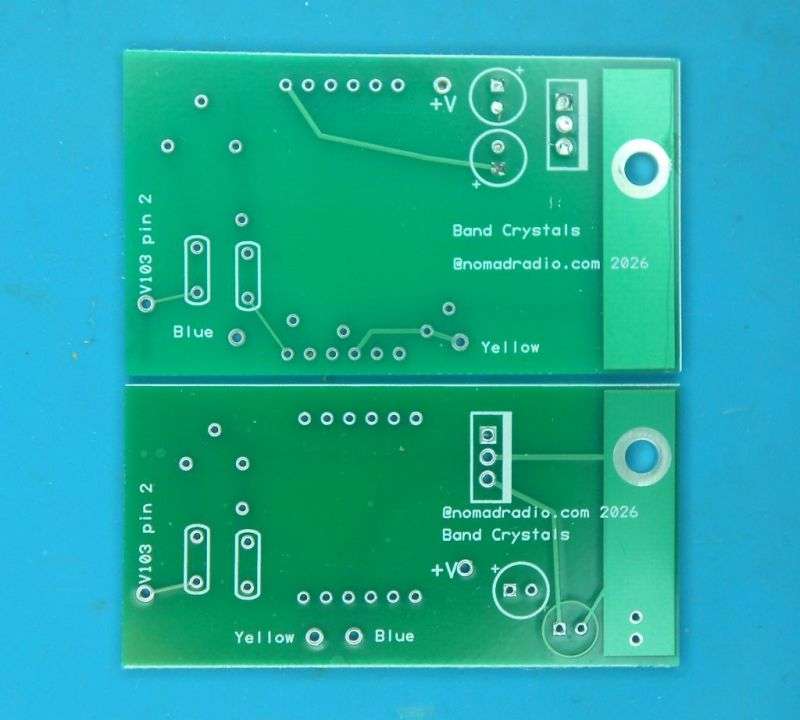
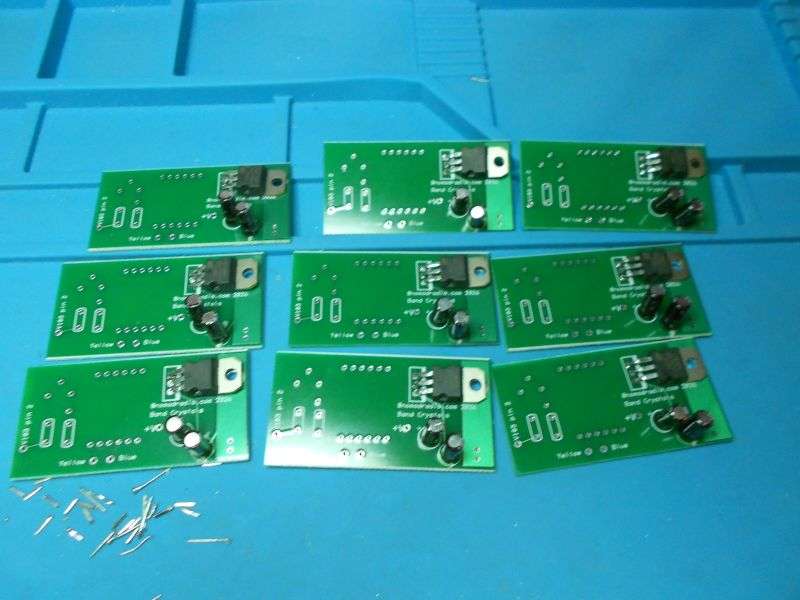
They say third time is charm. Figured version 3 would be refined enough to sell. Top one is version two. Lower is V3. Decided the 7805T regulator ran a bit too hot with no heat sink. Moved it around so it can be bolted to the pc board surface in the same hole used to mount the board and the bracket needed for the Mark 3 receiver. Not much of a heat sink but probably enough. Besides, I had labeled the wire colors for a Mark 4A receiver backwards.

L3ZnGm.jpg


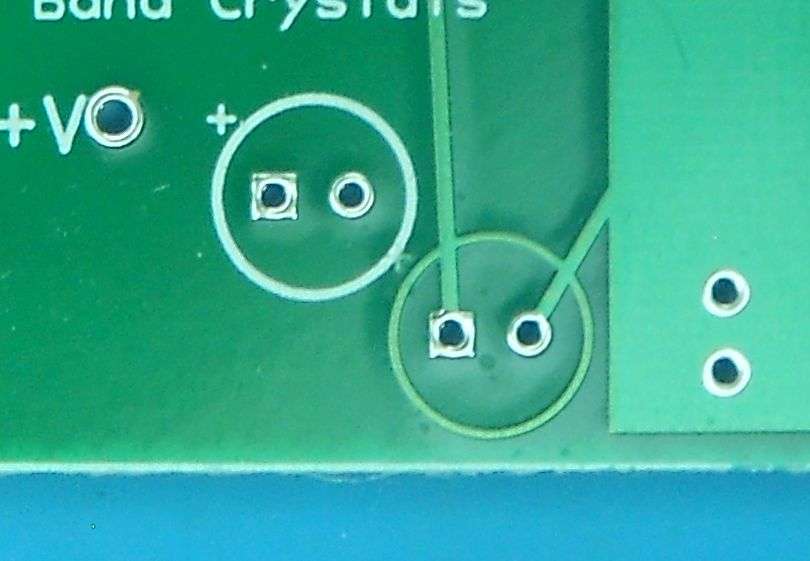
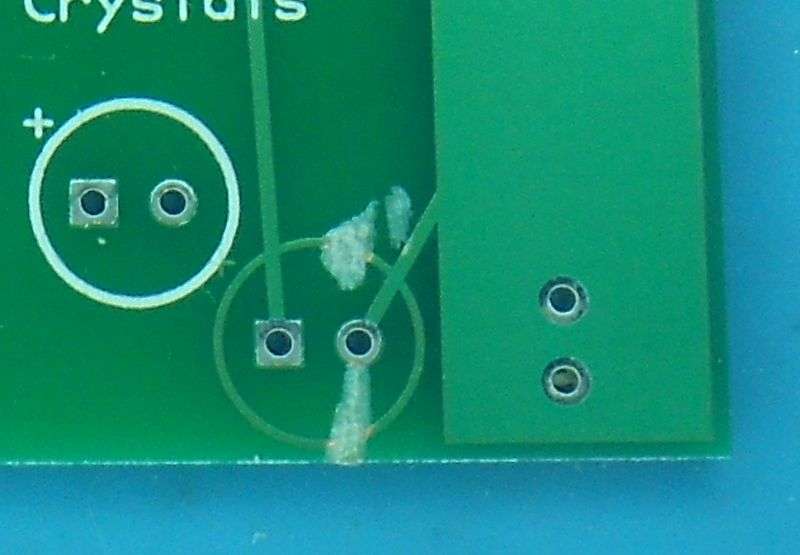
Just one problem. Have a squint at the lower-right of the two electrolytic caps. The outline should be printed in white screen-print ink, right?

GzhZWE.jpg


What's wrong with this picture? I moved the two electrolytic caps from where the version two board had them. But the screen-print outline is foil, not ink.

Oops. In all fairness, this is the second bona-fide booboo I have gotten from Express PCB in 27 years. An excellent record in that sense, but I'll try to get them to re-spin this order done right. In the meantime, the Dremel fixed this issue just fine.

kYRVC3.jpg


Now to exercise some discipline, turn off the internet and get these built.

Real Soon Now.

We always say that.

Did have another idea for this toy. Found myself needing a 7.8025 MHz crystal for a customer's '858 Uniden sideband CB. The ProgRock board should serve just fine for both the carrier crystals in that radio. Gonna try it after I replace the four dozen electrolytics in it.

Film at 11.

73

 
Last edited:

dxChat
Help Users
  • No one is chatting at the moment.